
An Interview with Adrian Tchaikovsky
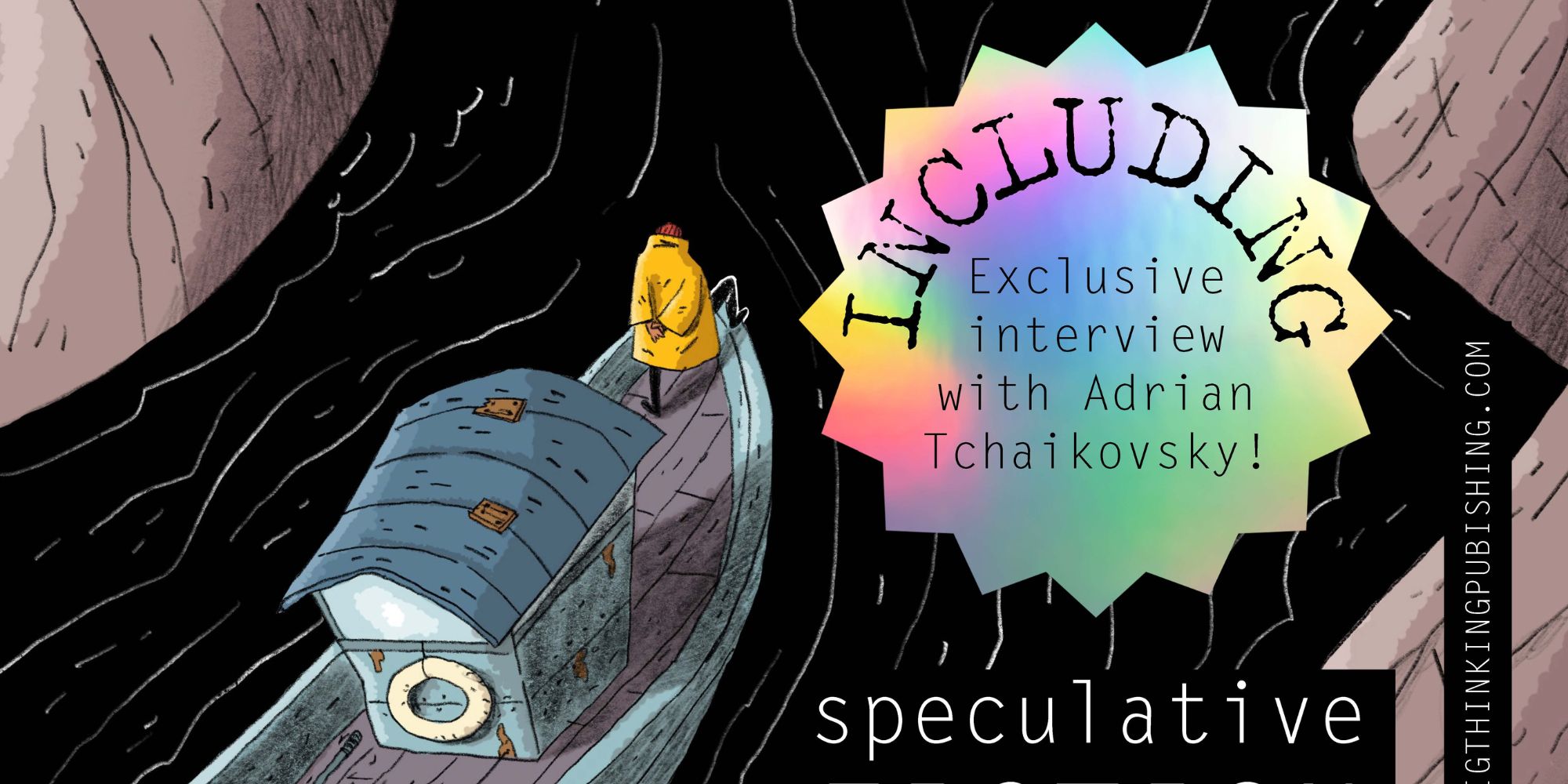
In this interview from our speculative fiction edition of Poems, Tales, & Other English Words, we talk to award-winning author Adrian Tchaikovsky about research rabbit holes, character-led endings, and more.
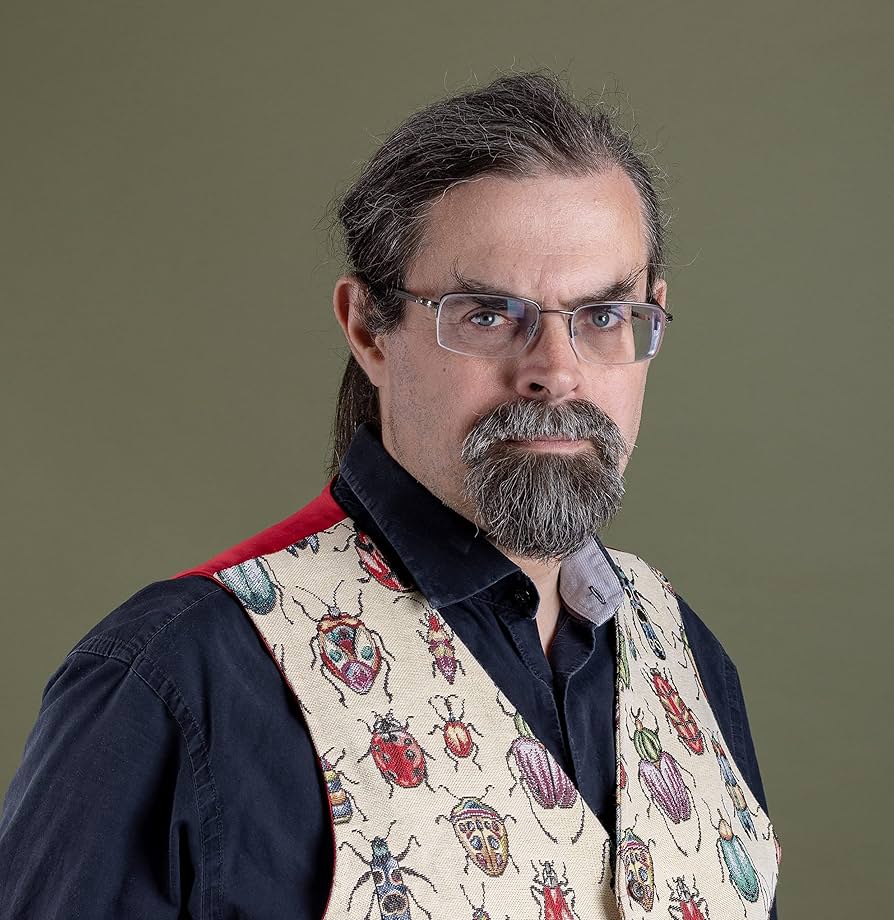
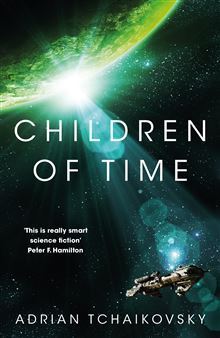
Readers of your books have come to expect intriguing worldbuilding that builds on real-world science, like the spiders, ants, and other insects in Children of Time. How do you come up with a premise for a story and build that into a novel or series, without falling into a research wormhole?
Sometimes you need to surf the research wormhole! Honestly though, a lot of the time, a project that needs research will arise because I’m already somewhat up on the topic. I don’t tend to get ideas for books where I’m completely in the dark on the relevant subject. Hence while I may then need to research more widely/deeply (depending on how science-based the book is), I should ideally know enough to be able to direct my researches. Ideally I find someone who knows about the topic who I can just sit down and talk to, as that’s by far the most efficient information gathering process.
So, once you’ve got that strong premise to hook readers, how do you go about turning it into a good story?
So for me the story arises out of the world. Once I’ve got a good idea of how everything works then it will suggest, not exactly “the best story” but a story that will showcase the fun stuff in the setting. Characters arise likewise. I think my article of faith is that a story that immerses readers in the setting will be a good one.
Other than that, I suspect we all accumulate libraries of moments from books and films that made us feel something, and we look for ways to bring the reader’s emotional journey through similar peaks. A great deal of the trade comes from developing a gut feeling about what works and what a story needs, and building around that. But the key thing for speculative fiction is that it can do everything other genres can do, and also add all that good weird stuff only SFFH can provide, so in leading into my settings I’m playing to the genre’s strengths.
It’s certainly true that SFFH has this additional freedom to explore ideas and themes, due to the nature of the genres, and I think this is what draws a lot of readers and writers to these kinds of stories. Do you have any examples of this in your work, where you felt that freedom to look at an idea from an angle only possible in SFFH?
I mean, just about everything I wrote! Hyperevolved giant spiders, a man who lives in a bedsit with God, wars and politics in a world dominated by insects, societies of shapeshifters, the decadent hedonists of the world’s last city and where they send their unwanted, moon-sized entities that turn worlds into art; alien planets with weird ecosystems. It’s all speculative for its own sake and it all provides a lens to look at human nature, society and history.
“It’s all speculative for its own sake and it all provides a lens to look at human nature, society and history.”
In another interview promoting Children of Ruin, you said that you planned heavily, but sometimes the characters have different ideas. With all your research, it is clear that the setting is planned in detail. When you put characters in the world, do you have a set plan for them, or do they wreak havoc no matter what?
This varies from book to book. In the Tyrant Philosophers I’m only planning out the world, and then I follow the characters around and watch what they do, and they write the plot. With other books the plot can survive a bit of whipping around in the middle but mostly it stands. I do tend to leave the very final scene unplanned though, and let the book’s momentum and trajectory inform me of how things should conclude.
So, the ending is a surprise for you too?!
By the time I get there, it should ideally seem the perfect ending, but trying to predict the final twist rather than let it unfold organically feels like forcing things. Often by then I have a much better understanding of the people involved, and what they do in that sort of crisis position. It always feels like I’ll end up painted into a corner one day, but thus far it’s worked!
2025 is a busy year for you! Can you tell us a little bit about your 2025 releases?
For 2025 I’ve got – actually a little less than 2025, or maybe. I’ve already had the big release out (in the UK at least) which is Shroud, my survival-horror-alien ecosystem book, and that seems to have met with a mostly positive reception. Later on I have Bee Speaker, book 3 of the series that began with Dogs of War (I also read some parts of the audiobook!). After that there’s The Hungry Gods, the eighth (standalone) novella in the Terrible Worlds line. This is book 1 of the Innovations set, and deals with a bunch of billionaire techbros coming back to the Earth they ruined after ruining space for everyone. So, you know, topical.

Later on there will be another novella, Lives of Bitter Rain, which is a little set of stories from the Tyrant Philosophers setting focusing on Angilly, the lead of last year’s Days of Shattered Faith. Finally there may or may not be a Warhammer Age of Sigmar offering from Black Library but I have no idea of the actual date of that one.
This interview is just a snippet of the speculative brilliance in Poems, Tales, & Other English Words, Issue #2. For more science fiction and fantasy stories and poetry, grab the full magazine.
Buy the full Speculative Fiction issue